Best Gym Stretches and Cool-Down Routine for Australians: A Complete Post-Workout Guide
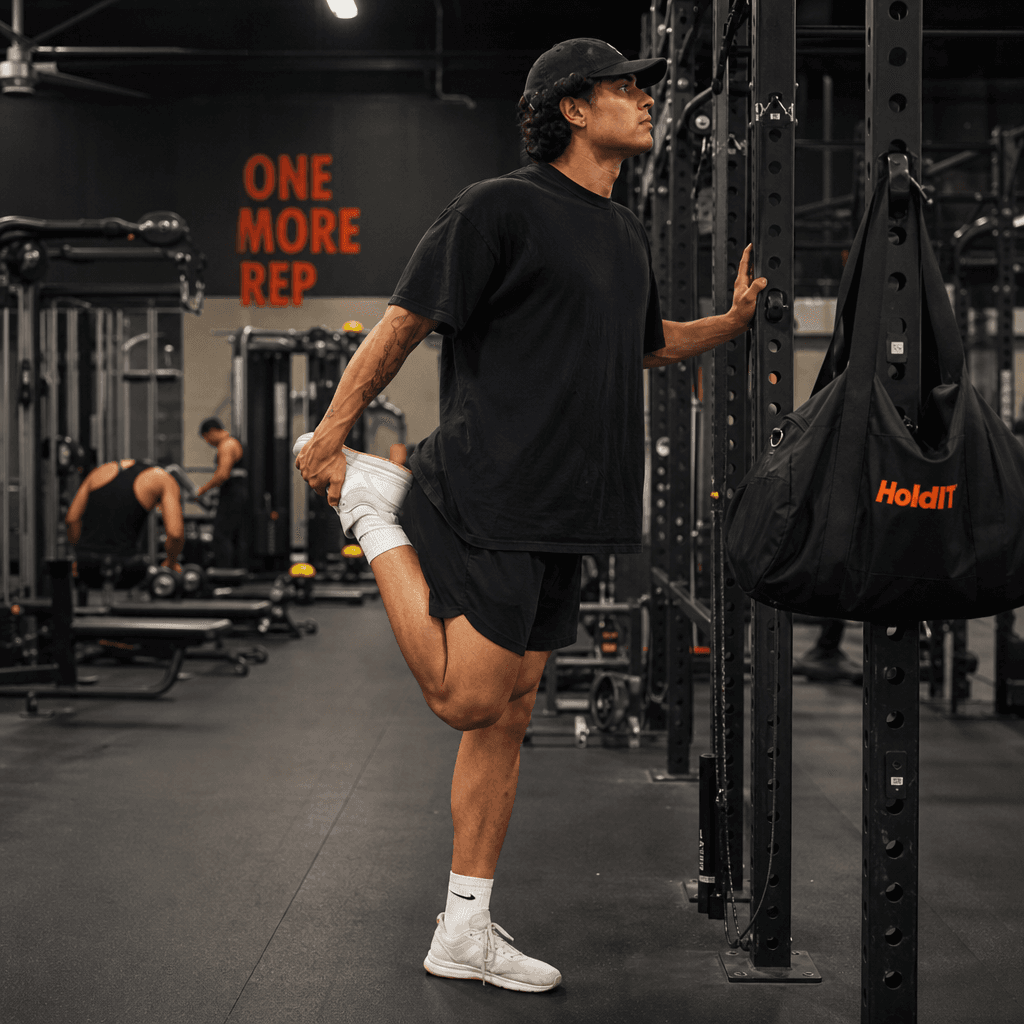
Most Australians walk out of the gym the second their last set is done. Bag off the floor, earphones out, straight to the car park. I get it. Time is tight, the gym is busy, and stretching feels like the boring bit at the end of a movie you have already seen. But skipping your cool-down is one of the most consistent mistakes I see from gym-goers training 3 to 5 sessions per week, and it is quietly undermining their results.
Here is the problem. When you train hard, your heart rate spikes, blood pools in working muscles, and your nervous system is running hot. Stopping dead without a transition period does not just leave you feeling stiff the next morning. It slows your recovery, reduces your long-term flexibility, and leaves you more susceptible to the kind of niggles that take you out of training for weeks at a time. Research published in the Journal of Human Kinetics found that static stretching post-exercise significantly reduces delayed onset muscle soreness (DOMS) markers compared to passive recovery alone. That is not a marginal benefit. That is the difference between training again on Thursday or sitting it out.
This guide covers everything you need to build a proper cool-down into your gym routine. You will get the physiological case for why it matters, a breakdown of static versus dynamic stretching after a session, the 10 best cool-down stretches with full form cues, routines tailored to push, pull, and legs days, and a look at the equipment worth carrying to make it all easier. If you are already across our gym warm-up routine guide, this is the natural next step, and it belongs in the same training block.
Key Takeaways
- Cooling down after a workout reduces DOMS, lowers heart rate gradually, and improves long-term flexibility when done consistently.
- Static stretching (holding a position) is best suited to the post-workout cool-down window, not the warm-up.
- A structured 10-minute cool-down is enough to deliver meaningful recovery benefits without eating into your schedule.
- Tailoring your stretches to your workout type (push, pull, or legs) targets the muscles that actually need attention.
- Equipment like resistance bands and foam rollers meaningfully improve stretch quality and are worth keeping in your gym bag.
- Most Australians make the same handful of stretching mistakes, and fixing them is straightforward once you know what to look for.
Summary Table: 10 Best Cool-Down Stretches at a Glance
| Stretch | Target Muscle Group | Hold Time | Difficulty |
|---|---|---|---|
| Standing quad stretch | Quadriceps | 30-45 sec each side | Beginner |
| Lying hamstring stretch | Hamstrings | 30-45 sec each side | Beginner |
| Hip flexor lunge stretch | Hip flexors, psoas | 30-45 sec each side | Beginner |
| Pigeon pose | Glutes, hip external rotators | 45-60 sec each side | Intermediate |
| Cross-body shoulder stretch | Posterior deltoid, rotator cuff | 20-30 sec each side | Beginner |
| Doorway chest stretch | Pectorals, anterior deltoid | 30 sec | Beginner |
| Lat stretch (overhead reach) | Latissimus dorsi | 20-30 sec each side | Beginner |
| Seated spinal twist | Thoracic spine, obliques | 30 sec each side | Beginner |
| Child's pose | Lower back, lats, hips | 45-60 sec | Beginner |
| Neck flexion and rotation | Cervical spine, upper traps | 15-20 sec each direction | Beginner |
Why Skipping Your Cool-Down Is Costing You Gains
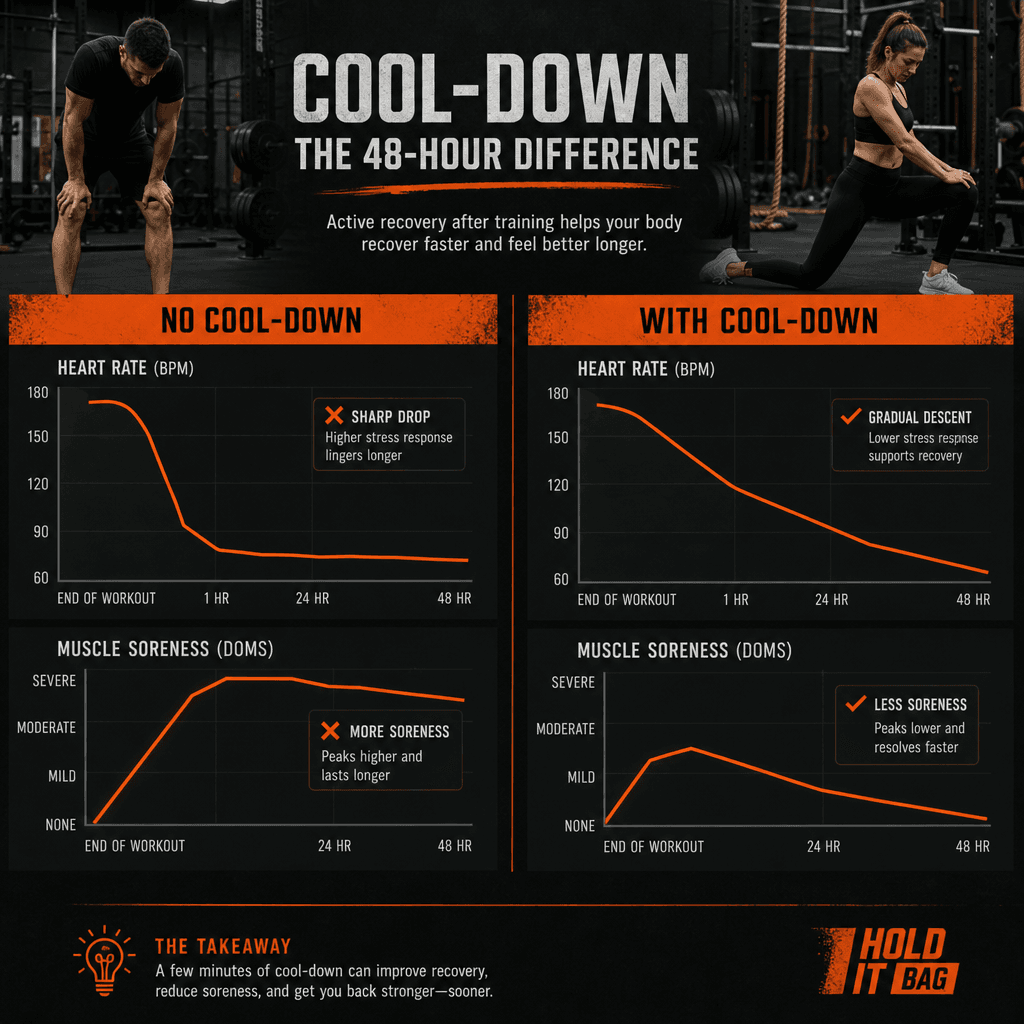
Let me be direct: the cool-down is not optional if you are serious about training. It is not a nice-to-have that gym influencers tack onto the end of a video to fill time. It is a physiological transition your body genuinely needs after moderate to intense exercise.
Here is what is happening inside you when you stop training. During a hard session, your heart is pumping significantly more blood per minute than at rest. Your capillaries in the working muscles are dilated. Your core temperature is elevated. Your sympathetic nervous system, the one responsible for the fight-or-flight response, is still active. Stopping abruptly means blood can pool in the lower extremities, which in some cases causes dizziness, lightheadedness, or an uncomfortable drop in blood pressure. Gradually reducing intensity through a cool-down allows the cardiovascular system to transition back to baseline without that sudden drop.
Beyond the cardiovascular component, there is a strong case for what consistent post-workout stretching does to your body over months. A 2026 analysis from Sports Medicine Australia noted that individuals who performed structured post-exercise stretching at least three times per week showed measurable improvements in functional range of motion across major joints within 8 weeks. For strength athletes, that improved range of motion is not just about feeling loose. It directly affects the depth of your squat, the quality of your shoulder press, and your ability to hit the positions your programme demands.
There is also the DOMS argument. Nobody likes training legs on Monday and spending Wednesday walking down stairs like they have just returned from Everest. Static stretching after a session does not eliminate DOMS entirely, but the evidence suggests it reduces the severity. The mechanism is partly mechanical (reducing residual muscle tension) and partly circulatory (improving blood flow to aid waste product clearance). Either way, the practical outcome is that you feel better faster, and that means you can train again sooner.
For those following our gym recovery tips guide, the cool-down is the first link in the recovery chain, and skipping it puts extra pressure on everything else: your sleep, your nutrition, your rest days.
Static vs Dynamic Stretching Post-Workout
This distinction matters more than most people realise, and getting it wrong can actually work against you.
Dynamic stretching involves moving through a range of motion repeatedly. Think leg swings, arm circles, hip circles, and walking lunges. This type of stretching is ideal before a session because it raises muscle temperature, primes the neuromuscular system, and does not inhibit the force production you need for lifting. If you are doing dynamic stretching before you train, you are doing the right thing. Check our gym warm-up routine for a full breakdown.
Static stretching involves moving to the end of your range and holding that position, typically for 20 to 60 seconds. This is the correct modality for a post-workout cool-down. Research has consistently shown that static stretching performed before exercise can reduce maximal strength output by up to 8% in the subsequent session. That same inhibitory effect is actually useful after a session, when the goal is to reduce muscle tension rather than produce force.
Post-workout is also the best window to make genuine flexibility gains. Your muscles are warm, pliable, and already lengthened from the session. Holding a stretch at this point, when the tissue is most receptive, creates the conditions for real, lasting change in range of motion. Stretching on cold muscles, outside the gym environment, does not offer the same returns. If you have ever wondered why your Saturday morning stretch session in the lounge does not seem to be improving your squat depth, this is likely why.
A practical post-workout cool-down should combine:
- 3 to 5 minutes of low-intensity movement (slow walking, light cycling) to bring heart rate down.
- 5 to 8 minutes of static stretching targeting the muscles worked.
Total investment: 10 minutes. Return: faster recovery, better flexibility over time, lower injury risk. That is an excellent trade.
10 Best Cool-Down Stretches (With Form Cues)
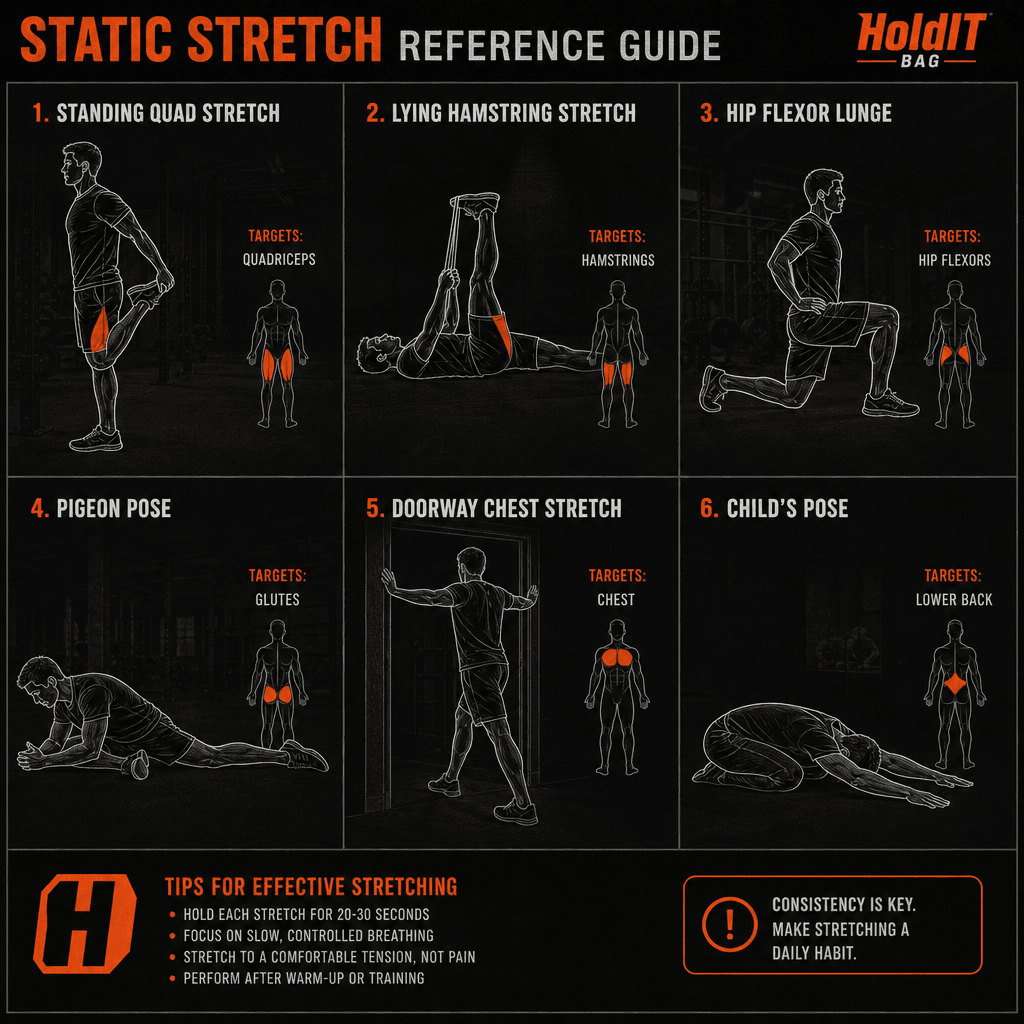
These 10 stretches cover the major muscle groups used in most gym sessions. You do not need to perform all 10 every time. Select the ones relevant to your day's training, using the workout-specific routines in the next section as your guide.
1. Standing Quad Stretch
Stand on one leg, bend the opposite knee, and draw your heel toward your glutes. Hold your ankle with your hand on the same side. Keep your knees together and stand tall. If balance is an issue, place your free hand on a rack upright. Hold 30 to 45 seconds per side. This one is non-negotiable after any leg session or run.
2. Lying Hamstring Stretch
Lie on your back and draw one leg toward your chest, holding behind the knee or calf. Extend the leg as straight as possible. The lower back stays flat against the floor. If you cannot straighten the leg without your back arching, loop a resistance band around your foot for assistance. Hold 30 to 45 seconds per side. This is the most commonly butchered stretch in any gym in Australia: people yank the leg up and hold for five seconds. You need the full 30 to 45 seconds for the nervous system to release the protective tension.
3. Hip Flexor Lunge Stretch
Drop to a half-kneeling position, one knee on the floor, the opposite foot forward. Shift your weight forward until you feel a pull at the front of the hip of your trailing leg. Keep your torso upright and your front knee tracking over the toe. Hold 30 to 45 seconds per side. If you sit at a desk outside your gym sessions, your hip flexors are almost certainly shortened. This stretch should feature in every single one of your cool-downs regardless of training type.
4. Pigeon Pose
From a kneeling position, bring one shin forward and lay it across the front of your mat, angling the foot toward the opposite hip. Extend the rear leg behind you. Lower your torso forward for a deeper stretch into the glute and external hip rotators. This is an intermediate stretch and can feel intense. Hold 45 to 60 seconds per side. Avoid it if you have a current knee issue and replace it with a lying figure-four stretch (on your back, ankle crossed over the opposite knee) instead.
5. Cross-Body Shoulder Stretch
Bring one arm straight across your chest and press it against your body using the opposite forearm. Keep the shoulder depressed, not shrugged. Hold 20 to 30 seconds per side. Targets the posterior deltoid and rotator cuff, which take a hammering in any pulling session.
6. Doorway Chest Stretch
Place both forearms against a doorframe or a rack upright at roughly 90 degrees, then lean your bodyweight gently forward until you feel a stretch across the front of the chest and anterior deltoid. Hold 30 seconds. This is critical after any push session involving bench press or overhead pressing, where the pectorals shorten significantly under load.
7. Lat Stretch (Overhead Reach)
Grip a rack upright or cable tower at about shoulder height, take a step back, and allow your hips to push away while keeping your arms extended. You should feel a deep stretch through the side of the torso and into the lat. For a unilateral version, reach one arm overhead and lean away to stretch the same side. Hold 20 to 30 seconds per side. Lats are often neglected in cool-downs, which is a mistake given how heavily they feature in pulling movements.
8. Seated Spinal Twist
Sit on the floor with legs extended. Bend one knee and place that foot on the outside of the opposite knee. Sit tall and rotate your torso toward the bent knee, using your opposite elbow as a gentle lever. Hold 30 seconds per side. This targets the thoracic spine and obliques and is particularly useful after deadlift or rowing variations.
9. Child's Pose
From kneeling, sit your hips back toward your heels and extend both arms forward on the floor. Let your forehead drop to the ground or as close to it as comfortable. Hold 45 to 60 seconds. This position decompresses the lower back, opens the hips, and provides a genuine moment of parasympathetic activation, helping bring your nervous system down from training mode. It is a deceptively effective stretch and one I end almost every session with.
10. Neck Flexion and Rotation
Seat yourself comfortably or stand. Slowly tilt your ear toward your shoulder to stretch the side of the neck, and gently rotate your chin toward each shoulder. Hold each position 15 to 20 seconds. Never force the neck. This is about releasing accumulated tension, not chasing a deep stretch. Any gym session that involves a barbell, overhead pressing, or lat pulldowns creates significant upper trap and cervical tension that benefits from attention here.
Cool-Down Routines by Workout Type
Not every session works the same muscles, and your cool-down should reflect that. Here is how I structure post-session stretching for the three most common training splits.
After a Push Day (Chest, Shoulders, Triceps)
Focus on anterior muscles that shorten under load and the shoulder joint that takes the most mechanical stress.
- 3 minutes: slow treadmill walk or light bike
- Doorway chest stretch: 2 x 30 seconds
- Cross-body shoulder stretch: 30 seconds each side
- Standing tricep overhead stretch (hand behind head, elbow pointing up, opposite hand pressing elbow back gently): 20 seconds each side
- Neck flexion and rotation: 15-20 seconds each direction
- Child's pose: 60 seconds
Total: approximately 10 minutes.
After a Pull Day (Back, Biceps, Rear Delts)
Focus on the posterior chain from the thoracic spine down, plus the often-ignored lats and forearms.
- 3 minutes: slow walk
- Lat stretch using rack upright: 30 seconds each side
- Seated spinal twist: 30 seconds each side
- Cross-body shoulder stretch (rear delt focus): 30 seconds each side
- Standing forearm flexor stretch (arm extended, palm up, fingers pointing down, opposite hand gently pressing fingers toward the floor): 20 seconds each side
- Child's pose: 60 seconds
Total: approximately 10 minutes.
After a Legs Day (Quads, Hamstrings, Glutes, Calves)
The most important cool-down of the week if you train legs hard. Do not rush this one.
- 5 minutes: slow treadmill walk
- Standing quad stretch: 45 seconds each side
- Lying hamstring stretch: 45 seconds each side
- Hip flexor lunge stretch: 45 seconds each side
- Pigeon pose (or lying figure-four): 60 seconds each side
- Standing calf stretch (foot flat against wall, heel on floor, lean forward): 30 seconds each side
- Child's pose: 60 seconds
Total: approximately 14-15 minutes. Worth every second. Your Thursday self will thank you.
Stretching Equipment Worth Packing in Your Gym Bag
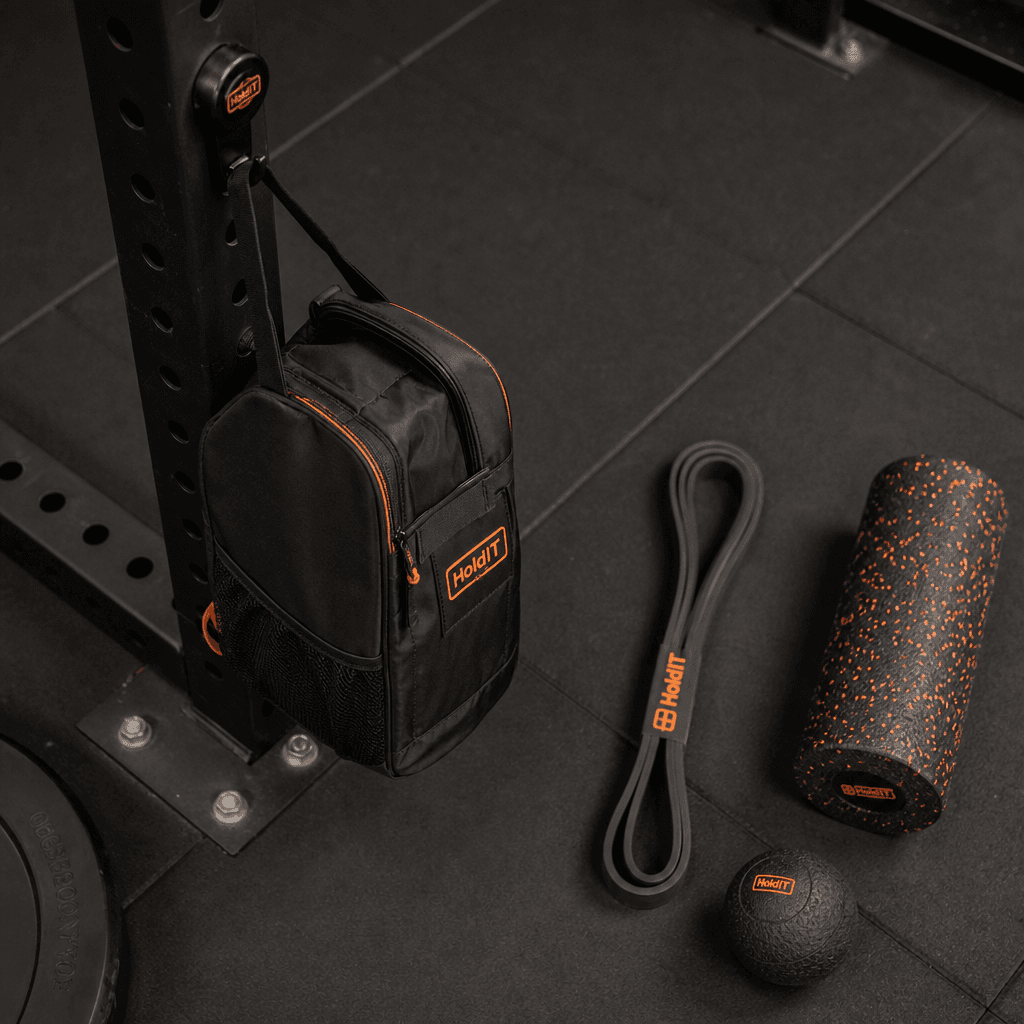
You can get a solid cool-down done with nothing but a mat. But a few small additions make a meaningful difference to stretch quality, and they are compact enough to carry without needing a bag the size of a checked luggage allowance.
Resistance band. A flat loop or long tube resistance band transforms stretches like the lying hamstring stretch, making it accessible regardless of your current hamstring flexibility. It also allows you to apply progressive tension to a stretch rather than forcing the joint, which reduces the risk of overstretching. A light-to-medium resistance is all you need for this application.
Foam roller. Self-myofascial release (SMR) using a foam roller is not quite the same as stretching, but it complements it well. Rolling out the quads, IT band, thoracic spine, and calves before static stretching increases tissue mobility and helps you get more from the stretch. A half-length foam roller (around 45cm) is easier to transport and covers all the key areas.
Lacrosse ball or massage ball. Smaller than a roller, a firm massage ball is excellent for targeted work on the glutes, upper back, and the plantar fascia of the foot. It fits in a side pocket and weighs almost nothing.
This is where the gear-in-your-bag conversation matters beyond just the items themselves. I have been in commercial gyms across Sydney and Melbourne where there is nowhere to put a bag near the stretching area except the floor. If you are stretching after a session, your bag is sitting in a high-traffic zone, getting kicked, and sitting on a surface I would not recommend pressing your face into. A HoldIt magnetic bag hook snaps onto any vertical metal surface in the gym, including cable tower uprights and rack frames, keeping your bag off the floor and within arm's reach while you stretch. That means your phone, your keys, your post-workout snack, and your band are all accessible without getting up mid-stretch.
The magnet is rated to hold up to 4kg, which covers a well-packed gym bag without issue. With 4.8 out of 5 stars across 895 verified reviews, it has earned a permanent spot in your kit. If you want to see the full range, head to the HoldIt shop and pick the one that suits your setup.
Common Mistakes Australians Make When Stretching
I have watched a lot of people stretch in a lot of gyms. The same errors come up again and again, and most of them are easy to fix.
Holding for too short a time. The most common mistake. Five or ten seconds is not a stretch. It is barely enough for the muscle spindle (the sensory organ responsible for the stretch reflex) to stop firing a protective contraction signal. You need at least 20 seconds for any neurological relaxation to occur, and 30 to 45 seconds to actually affect the tissue. Set a timer. Do not guess.
Stretching through pain rather than tension. A productive stretch feels like tension or mild discomfort. Pain, particularly sharp or joint-based pain, is your body signalling damage, not adaptation. If a stretch causes pain, back off the range and reassess. The idea that you need to be grimacing to make progress is false and counterproductive.
Skipping unilateral work. Most people have meaningful left-right asymmetries in flexibility, particularly in the hips and hamstrings. If you only stretch both legs together, you mask these imbalances rather than addressing them. Stretch each side individually and pay attention to where the differences are.
Bouncing in a static stretch. Ballistic stretching (rapid bouncing at the end of range) triggers the stretch reflex and causes the muscle to contract rather than lengthen. It does not improve flexibility and increases injury risk. Hold still. Breathe. Let the tissue release.
Rushing through the cool-down. Spending 90 seconds on your entire body and calling it done is not a cool-down. It is a formality. If you are genuinely time-constrained, pick the three or four stretches most relevant to your session and do those properly, rather than doing ten stretches badly.
Ignoring the cool-down walk. Starting static stretching while your heart rate is still at 160 bpm is skipping a step. The 3 to 5 minutes of slow movement before you stretch is not optional. It brings your heart rate down, allows blood to redistribute, and brings your muscle temperature to the optimal range for passive lengthening.
How Flexibility Supports Strength Training
There is a persistent belief in some corners of the Australian lifting community that flexibility work is something you do if you are into yoga, not something that matters if your goal is to get stronger. This is wrong, and the evidence has been stacking up against it for years.
Range of motion directly determines how much of a movement pattern you can access under load. A limited ankle dorsiflexion range means your squat depth is compromised, which shifts load away from the quads and onto the lower back. A restricted thoracic spine limits overhead pressing mechanics, increasing shoulder injury risk. Tight hip flexors pull the pelvis into anterior tilt, which affects both deadlift posture and glute activation. Every one of these limitations has a strength consequence.
Beyond the mechanical argument, there is a growing body of evidence that adequate flexibility reduces the incidence of training-related injury, particularly in exercises with large ranges of motion like Romanian deadlifts, deep squats, and overhead pressing. Sports Medicine Australia's position on injury prevention in recreational lifters highlights flexibility as a modifiable risk factor, meaning it is something you can actually do something about.
Consistent post-workout stretching, applied over a 3 to 6 month training block, will visibly change the positions you can access under load. You will squat deeper, press more freely, and move more efficiently through the patterns your programme is built on. That is not a wellness benefit. That is a performance outcome that shows up in your session data.
For a complete view of how to structure your recovery between sessions, including sleep, nutrition, and active recovery work, the gym recovery tips for Australians article covers it in full. The cool-down is the start, not the entirety, of the recovery equation.
And while you are building out your kit for a more structured approach to training, check out the rest of the HoldIt training room for guides that cover everything from warm-up to programming.
References
-
American College of Sports Medicine (ACSM) Position Stand on Flexibility Training, The ACSM's peer-reviewed position statement on stretching frequency, duration, and modality, recommending static stretching post-exercise for flexibility development and citing the optimal hold duration of 15 to 60 seconds per stretch.
-
Sports Medicine Australia, Position Statement on Injury Prevention in Recreational Lifters, Sports Medicine Australia's guidance on modifiable risk factors for training-related injury in general population gym-goers, including flexibility, load management, and movement quality as key variables.
-
Herbert, R.D. & Gabriel, M. (Journal of Human Kinetics), Effects of Stretching Before and After Exercising on Muscle Soreness and Risk of Injury, A peer-reviewed study examining the relationship between post-exercise static stretching and DOMS markers, finding statistically significant reductions in perceived soreness in stretching versus control groups over a 48-hour post-exercise window.
-
Behm, D.G. et al. (Sports Medicine), Acute Effects of Muscle Stretching on Physical Performance, Range of Motion, and Injury Incidence in Healthy Active Individuals, A meta-analysis covering the performance inhibition effects of pre-exercise static stretching and the recovery and flexibility benefits of post-exercise static stretching, which underpins the contemporary guidance on stretch timing.
-
Australian Bureau of Statistics (ABS), National Health Survey: Physical Activity Data, ABS data on Australian exercise participation rates, showing gym-based training frequency patterns that contextualise cool-down compliance gaps in the Australian recreational fitness population.
-
Thacker, S.B. et al. (Clinical Journal of Sport Medicine), The Impact of Stretching on Sports Injury Risk, A systematic review of evidence on stretching as an injury prevention measure in sport and exercise, concluding that flexibility work reduces overuse injury risk while noting limitations in acute trauma prevention.
Get exclusive training tips & early access
Join 5,000+ athletes who train smarter.
Frequently Asked Questions
How long should a cool-down last after a gym workout?
For most gym sessions, a 10-minute cool-down is sufficient. This breaks down as 3 to 5 minutes of low-intensity movement to bring your heart rate down, followed by 5 to 7 minutes of static stretching targeting the muscles you worked. After a heavy legs session or a long endurance effort, extending to 15 minutes produces better results. Consistency matters more than duration: a 10-minute cool-down done after every session beats a 30-minute stretch done once a fortnight.
Is foam rolling the same as stretching, and should I do both?
Foam rolling and static stretching are different tools. Rolling applies compression to soft tissue to reduce adhesions and improve tissue extensibility. Stretching applies a lengthening stimulus that targets the nervous system's regulation of muscle tone. Done in sequence, rolling then stretching, they are more effective than either alone. If you only have time for one, prioritise stretching for flexibility and rolling for localised soreness relief.
Can I stretch on rest days, or is it only useful post-workout?
Stretching on rest days is beneficial but works best when muscles are warm. A light 5-minute walk or warm shower before your rest-day stretch session improves tissue receptiveness. Consistent daily flexibility work compounds meaningfully over time. Yoga, mobility flows, and targeted static stretching on rest days complement your in-gym cool-down routine rather than replacing it.
Does stretching after a workout actually prevent injury?
The evidence supports that adequate flexibility reduces the risk of overuse injuries, strain injuries in movements requiring large ranges of motion, and postural issues from chronic muscle shortening. Stretching does not prevent all injuries and is not a shield against acute trauma. Sports Medicine Australia frames flexibility as one of several modifiable risk factors in recreational lifters, alongside load management and technical proficiency.
Should older Australians approach stretching differently?
Yes. Connective tissue becomes less elastic with age, so older gym-goers benefit from holding stretches for longer (45 to 60 seconds) and stretching more frequently, ideally daily. Any stretch causing pain in a joint rather than tension in a muscle should be modified or replaced. The hip flexor lunge stretch, banded hamstring stretch, and seated spinal twist are well tolerated across age groups and are a strong foundation for older lifters.
Is it better to stretch in a hot or cold environment?
Warm is always better. Muscle tissue is more pliable at elevated temperatures, making the post-workout window the most effective time to stretch. If you are stretching outside your gym sessions in colder months, a thorough warm-up such as light jogging or a warm shower before you start makes a material difference to your flexibility outcomes.
What is the difference between a cool-down after weights versus after cardio?
The physiology is similar in both cases: managing heart rate reduction, blood redistribution, and muscle recovery. The difference is which muscles need attention. After cardio, prioritise hip flexors, hamstrings, calves, and IT band. After weights, target the muscles you trained that session. The structure remains the same: 3 to 5 minutes of easy movement followed by targeted static stretching.
Can I skip the cool-down if I am short on time?
If genuinely pressed, the minimum viable cool-down is 3 minutes of slow walking followed by 2 to 3 key stretches for the muscles you just worked. That is roughly 5 minutes and covers the most critical bases. Skipping the cool-down entirely on a regular basis has a real compounding cost in reduced flexibility, elevated DOMS, and increased injury risk that shows up in your training over months.
Related Articles
Gym Recovery Tips for Australians: How to Maximise Rest Days and Bounce Back Faster
Australian Health and Fitness Trends: 2026 Statistics Report
The Ultimate Guide to Gym Accessories in Australia: Elevate Your Workout
Your gear deserves better
Keep it clean, organised, and always within reach. The HoldIt bag system is built for athletes who take training seriously.